• About Me
  • Writer’s Corner

Elizabeth Fais

~ Where awesome begins…

Elizabeth Fais

Category Archives: Writing

Shocking! Similes Gone Wrong, Very Wrong

14 Monday Mar 2016

Posted by Elizabeth Fais in English, Humor, Writing

≈ 2 Comments

Tags

creative writing, Elizabeth Fais, English, essays, Fiction, high school, Humor, short stories, simile, Writing

A simile is a literary device used to make a comparison by showing the similarities Surprised boyof two different things. A simile draws a resemblance, in most cases using the words like or as, to create a direct comparison.

  • She swam as gracefully as a swan.
  • Confidence radiated off him like he owned the place, even though he was just a waiter.
  • Shall I compare thee to a summer’s day? Thou art more lovely and more temperate. — William Shakespeare, Sonnet 18

When used correctly, similes are a powerful descriptive tool that engages readers, encouraging the imagination. Misused, similes can be nothing short of hilarious, maybe even shocking.

High School Hilarity
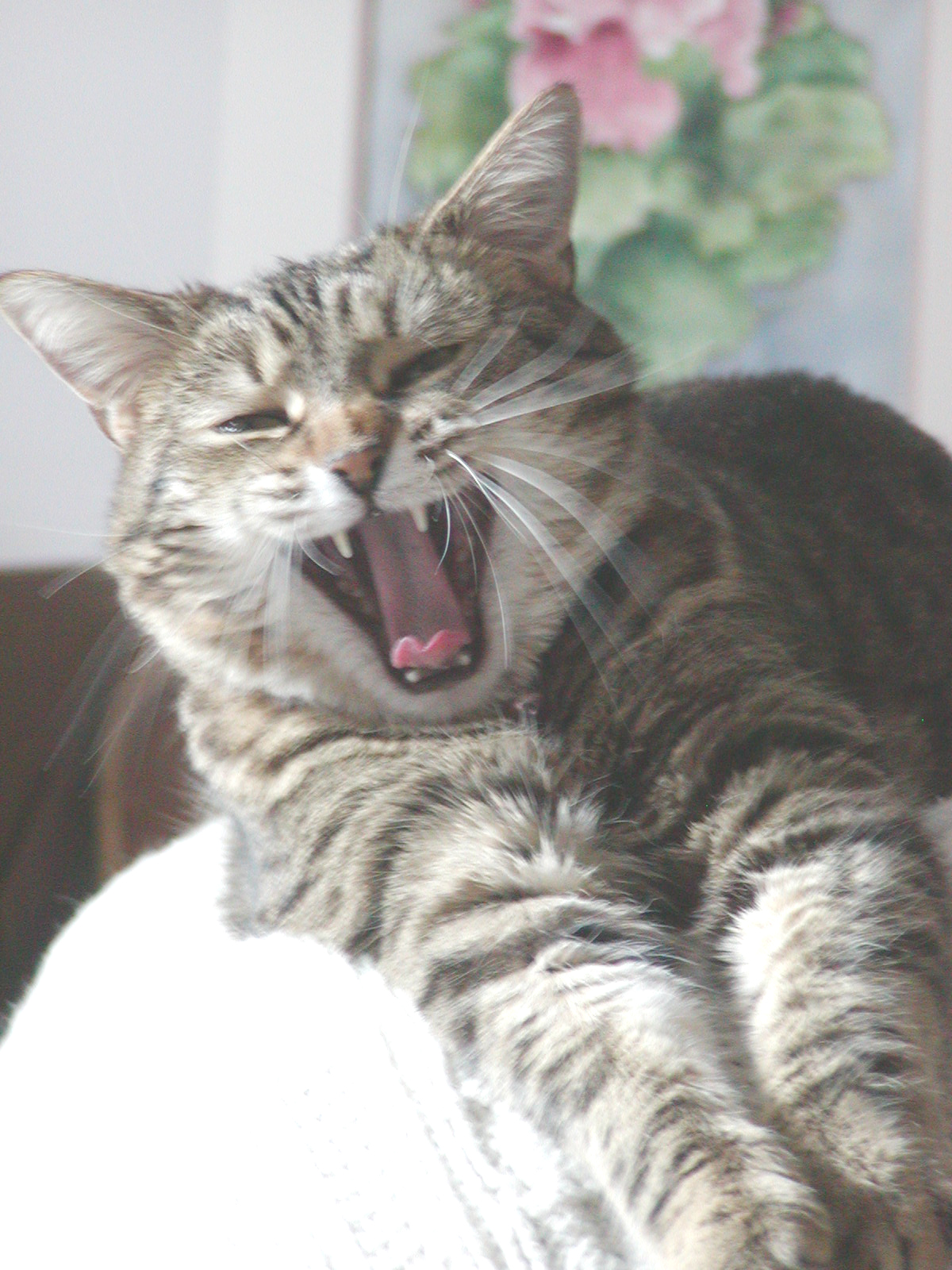
laughing catIn the process of cleaning out a file cabinet, I found a folder full of “funny stuff” that floated around the Internet back in the 90’s. I wish I could take credit for compiling this list of high school’s most hilarious similes, but I can’t. I don’t even know the originator, or I’d give them credit.

Each of the following similes was taken from an actual high school essay or short story, punctuation and all. What makes them so hilarious is their innocence, not their ignorance. Enjoy!

  • The thunder was ominous-sounding, much like the sound of a thin sheet of metal being shaken backstage during the storm scene in a play.
  • She caught your eye like one of those pointy hook latches that used to dangle from screen doors and would fly up whenever you banged the door open again.
  • The little boat gently drifted across the pond exactly the way a bowling ball wouldn’t.
  • McBride fell 12 stories, hitting the pavement like a Hefty bag filled with vegetable soup.
  • The politician was gone  but unnoticed, like the period after the Dr. on a Dr Pepper can.
  • Her hair glistened in the rain like nose hair after a sneeze.
  • John and Mary had never met. They were like two hummingbirds who had also never met.
  • Her vocabulary was as bad as, whatever.
  • The hailstones leaped from the pavement, just like maggots when you fry them in hot grease.
  • Her date was pleasant enough, but she knew that if her life was a movie, this guy would be buried in the credits as something like “second tall man”.
  • Long separated by cruel fate, the star-crossed lovers race across the grassy field toward each other like two freight trains, one having left Cleveland at 6:36 p.m. traveling at 55 mph, the other from Topeka at 4:19 p.m. at a speed of 35 mph.
  • His thoughts tumbled in his head, making and breaking alliances like underpants in a dryer without Cling Free.

[PC: morguefile.com]
Historic Artists Colony with Fairytale Flair ~ Carmel by-the-Sea

29 Monday Feb 2016

Posted by Elizabeth Fais in Architecture, History, Writing

≈ 2 Comments

Tags

artists colony, Carmel, Carmel by-the-Sea, Charles Stoddard, Edna St. Vincent Mallay, Edward Abbey, Elizabeth Fais, Fairytale Cottage, George Sterling, Historic, Hugh Comstock, Jack London, Joaquin Miller, Langston Hughes, Mary Hunter Austin, Mayotta Browne, Robert Bly, Robinson Jeffers, Sinclair Lewis, Upton Sinclair, William Everson

Carmel fairy tale architectureCarmel by-the-Sea is a small coastal town in Monterey County, California.

Today, Carmel is an upscale bedroom community and elegant vacation spot known for its fairytale architecture, gourmet restaurants, trendy boutiques, and numerous art galleries.

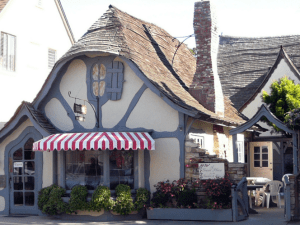
Carmel wasn’t always so glamorous or conventional, however. The seaside town’s culture is rooted in the whimsy of an eclectic artists community, including its signature fairytale architecture. [Image: The Tuck Box, Hugh Comstock’s only commercial building]

Bohemian Beginnings

Carmel was founded in 1902, and by 1905 the Carmel Arts and Crafts Club had been formed. Jack London, writingWhat started as a small enclave, grew significantly larger when the San Francisco earthquake of 1906 sent artists flocking to the small town–musicians, writers, painters and others. Little did they know that they would leave a lasting influence on Carmel’s culture.

Jack London described the Carmel artists colony in his novel The Valley of the Moon. [Image of Jack London writing: Wikipedia]

Creative talent from all disciplines comprised Carmel’s founding artists colony. Theater, music, and the visual arts continue to play an important role in the community today. However, for the purpose of this post I’m focusing solely on the writers.

Literary Legacy

Poet George Sterling paved the way for the town’s literary base when he moved to Carmel in 1905. After the 1906 earthquake, many of Sterling’s literary friends followed. The following are some of the other notable writers who joined the Carmel artists enclave, or frequented the community:

  • Edward Abbey, writer
  • Mary Hunter Austin, writer
  • Robert Bly, poet
  • William Everson, poet
  • Langston Hughes, writer
  • Robinson Jeffers, poet
  • Sinclair Lewis, writer
  • Jack London, writer
  • Edna St. Vincent Mallay, poet
  • Joaquin Miller, poet
  • Upton Sinclair, writer
  • Charles Stoddard, writer

Henry Miller established another artists enclave in Big Sur, just a few miles south of Carmel along the rugged California coastline. For a comprehensive list of authors who have lived and worked in the Carmel area, go here.

Living the Fairytale

Hugh Comstock single-handedly instilled the architectural fairytale flavor in Carmel, establishing its signature characteristic. Comstock came to Carmel in 1924 to visit his brother, but ended up staying when he fell in love with a resident doll maker named Mayotta Browne.

Mayotta’s business boomed after she and Hugh Comstock married. Merchants across the country were vying for her unique collector dolls, and her stock soon took over their house. The practical business woman asked her husband to build something in which to show off her dolls when buyers came to town. Comstock was not a trained architect, but he had a wonderful imagination and a keen creative eye. He built his wife  a quirky cottage full of whimsical details, intentionally skewing things into charming imperfection. They named the cottage Hansel (shown below), and it was a perfect showcase for Mayotta’s dolls.

Hansel, Hugh Comstock cottage

Carmel being a town full of artists and writers, it’s no wonder that Comstock’s whimsical cottage was extremely popular. In response to the huge demand, Comstock built numerous cottages with the same whimsical flair over a period of five years. Since then, others have mimicked Comstock’s original style, carrying on the tradition of living the fairytale. You can read more about Comstock’s Carmel cottages here.

Hugh Comstock cottages, Carmel, CA


The Covenant of the Character Arc ~ Raise the Stakes & Make it Count

31 Sunday Jan 2016

Posted by Elizabeth Fais in Story, Writing

≈ 1 Comment

Tags

All Is Lost, Bad Guys Close In, Beat Sheet, Blake Snyder, BS2, Buffy the Vampire Slayer, Character Arc, Dark Night of the Soul, Elizabeth Fais, Harry Potter, J.K. Rowling, Joss Whedon, Miss Congeniality, Sandra Bullock, Save the Cat!, Tim Stout

Stories help us cope with the chaos of life. They show us how to navigate social situations and overcome adversity. A New York Times article, “Your Brain on Fiction”, by Annie Murphy Paul, discusses studies that prove this.

For a story to fulfill its function and satisfy the human spirit, there has to be change. The covenant of the (character) arc, as Blake Snyder so wisely described it, is the necessity for characters to change. The measure of change is a character’s arc. In the best stories, all characters arc except the bad guy. J.K. Rowling did an excellent job of this throughout the Harry Potter series.

Harry Potter

The Transformation Machine

Shake. Stir. Whip. Frappe. Do whatever it takes to force your characters to confront their frailties and become wiser, stronger, better. Blake Snyder, Mr. Save the Cat! referred to this process as the Transformation Machine.

All stories are about transformation. And seeing this as a good thing is the starting point of writing a successful story of any kind. ― Blake Snyder

In essence, the hero’s transformation mirrors the process of a caterpillar turning into a butterfly. A type of death and rebirth are required to complete a satisfying character arc. Take Gracie Hart, the unrefined FBI agent (Sandra Bullock) in Miss Congeniality, who must become a polished beauty pageant contender in order to solve the crime and save the lives of her new friends.

Miss Congeniality, Sandra Bullock

Dishing out conflicts for characters isn’t always easy, but  it’s a must. To achieve a great ending—as described in Secret Ingredients of a Satisfying Ending—the characters have to change. A lot.

There are plenty of character arc graphs and charts. I understood the theory, but applying it evaded me until I read Save the Cat! The Last Book on Screenwriting You’ll Ever Need. The Blake Snyder Beat Sheet (BS2) story points, or beats, that push the character arc include: Bad Guys Close In, All Is Lost, and Dark Night of the Soul. Tim Stout provides excellent descriptions for each of these beats here.

Make ‘Em Suffer Till They Shine

It’s simple. To survive, our hero has to change. Joss Whedon (Buffy the Vampire Slayer) puts characters through hell—literally and figuratively. This pressure has an effect similar to that which transforms a lump of coal into a diamond. It files down the hero’s rough edges and makes him shine.

You take people, you put them on a journey, you give them peril, you find out who they really are.
― Joss Whedon

Buffy the Vampire Slayer

Take it up a notch!

In chemistry, heat accelerates change. The same is true for stories. Here’s a few suggestions for turning up the heat and increasing the transformation process:

  • Make the Bad Guy badder—For the protagonist to be perceived as the hero he is, the Bad Guy has to be as bad as possible. The villain must be an equal match for the hero, but willing to do whatever it takes to win. Beating the villain has to seem impossible, so when the hero wins he shines brighter.
  • Increase internal conflicts—Fear, doubt, jealousy, shame, any and all emotional trauma. Bring it. The pressure makes the hero to face his inner demons, and forces him to realize that what he thinks he wants isn’t what he really needs. Dig Deep for a Story That Resonates shows how this can strengthen the story’s theme.
  • Increase external conflicts with friends and relatives—Betrayal, abandonment, rifts in trust, arguments, even death. Pile it on. These conflicts push the hero to his lowest, forcing him to find strength he didn’t know he had.
  • Throw in a force of nature—Wind, rain, earthquake, snakes, anything to make your character’s goal harder to accomplish. These obstacles can force the hero to overcome his flaws.
  • Blow something up—A couple of authors shared this advice at a conference. The event has to be organic to the story and plausible for the characters. The action must also come from a deep emotional need to force transformation. Extreme times call for extreme measures.

Enhance the Heat

Stories have flavor. And just like a great meal, flavor is enhanced when complimented by an opposite. To strengthen the impact of a transformative moment, pair it with its opposite.

Joss Whedon said it best…

Make it dark, make it grim, make it tough, but then, for the love of God, tell a joke.
― Joss Whedon


Secret Ingredients of a Satisfying Ending

03 Sunday Jan 2016

Posted by Elizabeth Fais in New York City, Story, Writing

≈ Leave a comment

Tags

Elizabeth Burke, Elizabeth Fais, endings, FBI, Mozzie, Neil Caffrey, New York City, NYC, Peter Burke, Story, story elements, White Collar, Writing

A great beginning keeps readers turning the pages. A great ending builds a fan base, because readers will be thinking about the book long after turning the last page. We’ve all experienced the satisfaction of a perfect ending to a book, movie, or television series. But what’s the secret?

What makes the ending of one story great, while another story’s ending leaves us unfulfilled?

The finale of the TV series WHITE COLLAR helped solve this mystery for me. The series ending was so perfect, I couldn’t help breaking it down, analyzing the elements that lead up to a culmination of satisfaction.

But first, an overview of the series for those who may not be familiar with the main characters and premise of the series.

White Collar ~ The Series

Cast of White Collar

The third time turns out to be the charm for criminal Neal Caffrey. He has been eluding FBI agent Peter Burke for years, a run that finally comes to an end with his capture. But after the resourceful prisoner escapes from a maximum-security facility, then is nabbed once again by Burke, Caffrey suggests a different end-game: In return for freedom, he’ll help the Feds catch long-sought criminals. Though skeptical, Burke soon realizes that Caffrey’s instincts and insight are a rare commodity. Caffrey’s trusted friend and co-conspirator with ties to the criminal underworld, Mozzie, also becomes a useful source for Burke and the FBI. [Series Synopsis]

The series was well written with engaging characters and story lines, and plot threads with enough twists to keep the most agile guessing. Mozzie, Neil’s sidekick, added a delightful streak of rebellious quirkiness for comic relief.

Ingredients of a Great Ending

*** SPOILER ALERT ***
If you don’t want to know how White Collar ends, STOP now.

Ingredients for a satisfying ending, with examples from White Collar:

  1. The promise of the premise for the story and the genre is paid off. The FBI promised Neil Caffrey his freedom if he was instrumental in helping them solve their toughest ‘white collar’ cases. To satisfy the promise for this genre, justice had to be served to this end. Neil does go free after making the ultimate sacrifice when pulling off a sting on a treacherous ring of international thieves.
  2. The main character’s arc (Neil Caffrey) is completed in a believable fashion. Neil’s loyalty to Peter (as an FBI representative) and his wife Elizabeth becomes true, when he realizes his freedom ultimately threatens the lives of the couple and their unborn child. Neil also shows deep remorse when his actions hurt an innocent young woman he’s forced to befriend to bring down the thieves. For the first time he questions his life and the role he plays with the FBI. The completion of the character arcs for Peter and Elizabeth Burke, and of course, Mozzie, though less dramatic, are equally rewarding. It would take too long to explain them all here in detail. Trust me. Better yet, watch the series.
  3. The main character earns the payoff, internally as well as externally. In the end, Neil overcomes his inability to trust Peter (as an FBI representative), and puts the safety and well-being of his friends before his own. To ensure their safety, Neil secretly masterminds the final phase of the sting. His selfless actions earn him his freedom and happiness.
  4. There’s a significant sacrifice for the pay off. For Neil to earn his freedom (payoff), he made the ultimate sacrifice. He fakes his own death to ensure the lifelong safety of his friends—sparing them from retaliation by the gang members caught in the sting. Neil can never talk to or see the people who mean the most to him again. The ingenious method he uses to fake his death added to the overall satisfaction.
  5. Enough is left to the imagination without leaving unanswered questions. Everything isn’t tied up neatly, leaving “what happens next” up to the audience’s imagination. In the final scenes, Peter Burke discovers clues leading to the storage locker Neil secretly rented during the initial planning of the sting. What Peter finds gives him insights into how Neil faked his death, thus assuaging his remorse over the loss of his friend. In the final shot, we see Neil strolling down a Parisian side street wearing his fedora, a satisfied smile on his face and a carefree spring in his step.


If you have an a Perfect ending Element to add to the list, Please do!


Time as a Story Element ~ Setting, Tone, Atmosphere, & Urgency

22 Thursday Oct 2015

Posted by Elizabeth Fais in Story, Writing

≈ 2 Comments

Tags

A Long Way From Chicago, Back to the Future, Bruce Willis, Die Hard, Edward V, Elizabeth Fais, Found, Historical Fiction, Home Alone, Margaret Peterson Haddix, Marty McFly, Michael J. Fox, Missing series, NaNoWriMo, Richard of Shrewsbury Duke of York, Richard Peck, seasonal, Sent, Story, story elements, ticking-clock, time, Writing

clockNational Novel Writing Month (NANOWRIMO) is just around the corner—a yearly event in which writers commit to completing a 50,000 word (or more) novel during the month of November. One month. One book. Not a lot of time. So, time as a story element seems like an appropriate blog topic.

Stories unfold over a set interval of time. That’s a given. What I want to discuss is how different types of time can be used as story elements to set mood, further plot, and deepen character. [pc: morguefile.com]

Types of Time

There are four types of time that can be used to add atmosphere, set tone, and increase urgency in a story:

  • Clock time:  Sets mood and creates suspense.
  • Calendar time: Creates a context for events, such as prom, homecoming, and graduation.
  • Seasonal time: Creates atmosphere, as well as providing a backdrop and reason for cultural events and activities.
  • Historical time: Establishes a context for social ideas, behaviors, and attitudes.

These elements can be combined, as you’ll see in the following examples.

Seasonal Atmosphere

Calendar and seasonal time are a natural combination. A season is technicallyCover for A Long Way From Chicago by Richard Peck three months long, allowing the story to unfold during time. Seasonal time can be used to set atmosphere and integrate events particular to the season to further the story. One great example is A Long Way From Chicago by Richard Peck. The story begins in the fall, with a Halloween outhouse scene that is laugh-out-loud hilarious, while also adding depth to the characters.

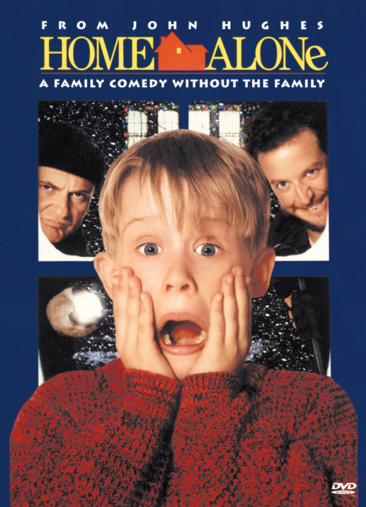
Home Alone movie posterSeasonal events can also introduce urgency that influence characters’ actions. The movie Home Alone is a perfect example.

When a young boy is accidentally left behind at Christmas–while the family travels to Paris–he is forced to defend their house against burglars, with side-splittingly funny results.

Ticking-Clock ~ Urgency and/or Advocate

You don’t really know a person until you see how they react under extreme pressure. DieHardWhich is why a ticking clock—a figurative pressure cooker—is a great way to reveal character strengths and flaws.

The ticking-clock can be combined with seasonal time. The Christmas party setting in the movie Die Hard is the perfect excuse for the entire company to be at the office headquarters at night with minimal security. It also provides a reason for NYC cop John McClane (Bruce Willis)–the estranged husband of a corporate VP, Holly McClane–to be visiting, so he can then take down the bad guys in badass style.

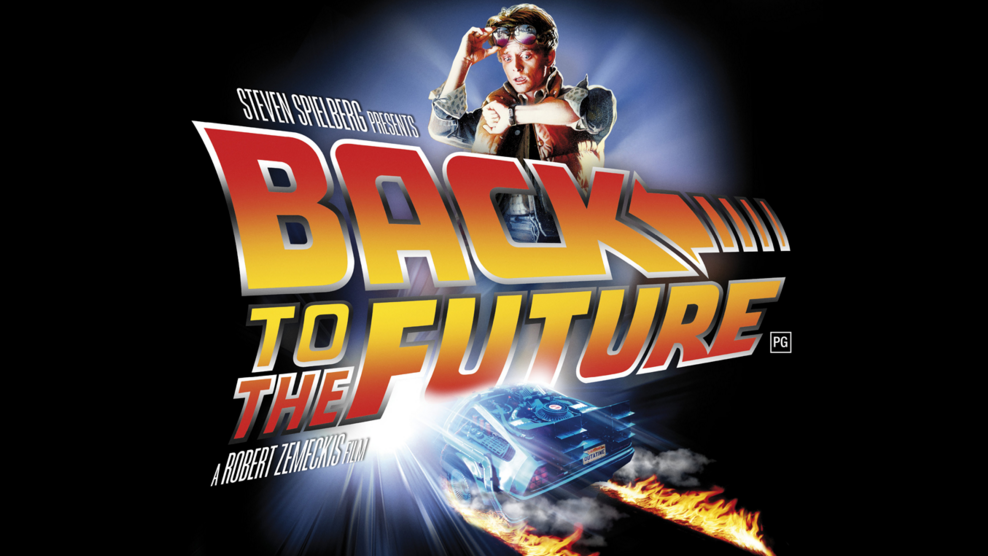
In the movie Back to the Future, time is both an advocate and adversary. Time is the vehicle (no pun intended) by which teenager Marty McFly (Michael J. Fox) travels back into the past to alter the developmental paths of his parents to create a better future for the family. The ticking-clock is BackToTheFuturethe electrical storm required for Marty to escape the past and get back to the future.

As the electrical storm gathers, Marty arrives at the clock tower as a falling branch disconnects the wire from the tower to the street. As Marty races the DeLorean toward the clock tower, Doc climbs across the clock to reconnect the cable. The lightning strikes, sending Marty back to 1985, but not before he sees Doc killed. Marty soon discovers Doc actually survived because of the bullet-proof vest he was wearing. Doc takes Marty home to 1985, then sets off for October 21, 2015 (Back to the Future Day!).

Historical Time

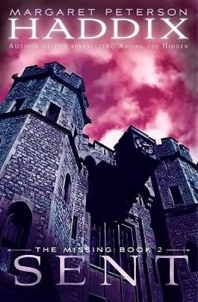
Sent coverHistorical time can define setting, social interactions, attitudes, laws, and mores. There are any number of terrific novels that transport the reader to a different historic time to experience life in another era. What I like about Margaret Haddix‘s Missing series, is the unique spin on historical fiction with a time travel twist.

In Found, the first book in the series, Haddix establishes the plausibility of time travel and the anticipation that the main characters are not who they think they are.  In the second book, Sent, Chip, Alex, Jonah, and Katherine land in 1483 in the Tower of London where the imprisoned Edward and Richard fearfully await their fates. Chip and Alex soon realize that they are princes Edward V and Richard of Shrewsbury, Duke of York–come back from the future. They watch history unfold, trying to save the princes without altering time in a way that would kill them anyway. This book is rich with accurate historical details that bring the setting and characters to life. It also poses a unique possibility regarding the actual fates of Edward and Richard.


Idiotic Idioms: Expressions that make you ask, “Seriously?”

26 Saturday Sep 2015

Posted by Elizabeth Fais in English, Writing

≈ 2 Comments

Tags

Bite the dust, colloquialism, dollars to donuts, eat my hat, Elizabeth Fais, English, idioms, informal expressions, pie in the sky, slang, take the cake

There are quite a few common colloquialisms that are centered around food. Phrases with meanings that have little or nothing to do with food … or even eating. Here are a few of my favorites.

Dollars to donuts ~ A certainty

I’d bet dollars to donuts. Why are people betting donuts? Are they Krispy Creme employees, perhaps with a gambling problem? Seriously, what is up with that?

Dollars and donuts

This is a uniquely American betting term. However, I was relieved to discover it did not originate from actual bets that involved donuts. It’s an expression that indicates short odds. Dollars being valuable, while donuts are not. The phrase first appeared in mid 19th century in the newspaper The Daily Nevada State Journal, February 1876:

Whenever you hear any resident of a community attempting to decry the local paper… it’s dollars to doughnuts that such a person is either mad at the editor or is owing the office for subscription or advertising.

The phrase doesn’t appear in print again for some years, but is still used today.

I’ll eat my hat ~ A display of confidence

red cowboy hatThis next phrase is about something to eat, but not something you’d actually want to. Why someone would offer to eat their hat is beyond me. Where do people get this stuff? Absurd as it is, this phrase has been around since the late 16th century!

“I’ll eat my hat” is an expression used to convey confidence in a specific outcome. For example, “She’d forget her head if it weren’t screwed on. I’ll  eat my hat, if she remembers my birthday.”

The earliest example of the phrase found in print is in Thomas Brydges’ Homer Travestie, 1797:

For though we tumble down the wall,
And fire their rotten boats and all,
I’ll eat my hat, if Jove don’t drop us,
Or play some queer rogue’s trick to stop us.

Charles Dickens used another version of the expression in The Pickwick Papers, 1837:

If I knew as little of life as that, I’d eat my hat and swallow the buckle whole.

The expression later became popular in the United States, and is still used today. No one wants to actually eat a hat. Which is why the phrase is only used when there’s certainty about the outcome of an event.

Take the cake ~ Get all the honors

We’re on a roll (no pun intended) with food obsessed idioms, but back to something more enjoyable … and Strawberry cakemuch more logical. Like taking a cake. Because most everyone likes cake.

This phrase was used by the Greeks in the 5th century BC. The Greeks used ‘take the cake’ as a symbol of a prize for victory. Surprisingly, there’s no evidence of the English use of this phrase until it caught on in the United States in the 19th century.

In the US, the phrase became popular due to the cake-walk strutting competitions in the South in the 19th and early 20th centuries. The following is from The Indiana Progress, January 1874:

The cake-walk, in which ten couple [sic] participated, came off on Friday night, and the judges awarded the cake, which was a very beautiful and costly one, to Mrs Sarah and John Jackson.

In cake-walk competitions, couples were judged on their strutting style. The winners were said to have ‘taken the cake’, which was the prize.

In modern-day usage, the meaning has changed somewhat. Today, the expression is often used with sarcastic overtones. For example, “She got perfect scores on the SAT, but has a 2.0 grade point average. If that doesn’t take the cake…”.

Pie in the sky ~ A fantastical idea or promise

Pie in the sky … seriously? Why is there a pie in the sky? What were they smoking? You have to wonder.

The ridiculousness of this phrase makes it even harder to believe that it first had a religious connotation. I am not kidding. Originally, it implied the promise of heaven while continuing to suffer on earth.

blueberry pie

The phrase originated in America in 1911. A Swedish laborer named Joe Hill–a leader of a radical labor organization called the Wobblies, for which he wrote songs–first used the phrase in his song The Preacher and the Slave, a parody of the Salvation Army hymn In the Sweet Bye and Bye.

The phrase didn’t become popular until the Second World War, however. Then it was used figuratively, to refer to happiness that was unlikely to ever come about. Similar to how the phrase is used today. The following excerpt is from the California newspaper The Fresno Bee, November 1939:

The business world is fearful that Roosevelt’s obsession with war problems will mean a continued neglect of questions which still restrict trade and profits. They are highly skeptical of Washington’s promise that they will ‘eat pie in the sky’ solely from war orders, which they decry publicly.

[Photo Credits: morguefile.com]

Bite the Dust ~ To die

This phrase has nothing to do with eating anything, not even dust. I wrote about this idiom in a previous post. To learn more, go here.


Fiction Writing ~ Socially Acceptable Insanity

09 Wednesday Sep 2015

Posted by Elizabeth Fais in Fiction, Story, Writing

≈ 4 Comments

Tags

butter beer, Diagon Alley, Elizabeth Fais, Fiction, Genovia, Hogwarts, J.K. Rowling, Judy Blume, Meg Cabot, Ray Bradbury, Reading, SCBWI, Story, suspension of disbelief, Universal Studios, Wizarding World of Harry Potter, Writing

Kidding … But Only Just

A while back I tweeted, “Fiction writing is a socially acceptable form of insanity.” I was only half-joking, and was surprised by how many people seemed to agree with me. Later I discovered that some famous authors gave credence to that view also.

J.K. Rowling said that she is “perfectly happy sitting alone in a room, making things up in her head all day.” We applaud her because she’s written stories many of us hold dear. If a non-writer type person made the same statement, we’d worry for them.

Then there’s Ray Bradbury, who said pretty much the same thing:

Ray Bradbury quote

Keeping It Real

When fiction is done well, readers suspend disbelief, their world drops away, and the story becomes real…the characters, the setting, everything about the time and place. For an author to create a story that convincing, the world and characters have to become real for them as well. As Robert Frost said:

No tears in the writer, no tears in the reader. No surprise in the writer, no surprise in the reader.

At a Society of Children’s Book Writers and Illustrators (SCBWI) Summer Conference a few years back, Judy Blume made a surprise appearance and added one better to Robert Frost’s quote:Marble statue

“If the author isn’t turned on when writing a love scene, the reader won’t be turned on either.”

The audience hooted, because it’s so true. If you don’t feel the spark when you’re writing a scene, the reader won’t feel it either.

The same standard of realness holds true for any art form, if it is to emotionally move its audience … whether it’s music, the visual or performing arts. To transmit a feeling through their work, the artist must delve into the emotion. One glance at the statue in this image, and it’s obvious the sculptor felt love on a deep, spiritual level. [PC: morguefile.com]

Reading ~ Socially Acceptable Psychosis

I came across the following description of reading and laughed out loud, because it’s a perfect match for psychosis:

…staring at marked slices of trees and hallucinating vividly for hours on end.

When fiction is done right, this is the effect is has on the reader. We become so fully engaged in the story…everything about it becomes real.

The reality a story creates doesn’t cease when a book is finished…for the reader or the writer. The story and its characters take on a life of their own. So much so, that many of us wish fictional characters Happy Birthday on social media (you know you do too, admit it).

The world the characters inhabit becomes equally real. Why else would thousands of people trek to Universal Studios’ Wizarding World of Harry Potter, in Orlando (and soon in Los Angeles) to visit Hogwarts, Diagon Alley, and drink butter beer? Because that world is real to those who love those books.

Meg Cabot recently tweeted about actually googling the weather in Genovia (Princess Mia’s country). I love this. I can so totally relate, after having read the entire Princess Diaries series. This is fiction done right!

Meg Cabot tweet


Realistic Character Relationships ~ Friend Zone Fact & Fiction

21 Friday Aug 2015

Posted by Elizabeth Fais in Character, Writing, Young Adult

≈ 2 Comments

Tags

Azkaban, character relationships, friend zone, friendzoned, Sirius Black, Social Media, teenage relationships, Twitter

I followed several Twitter accounts aimed at high-school-age audiences last year, to keep a pulse on the voice, attitudes, issues of today’s teens–a socially acceptable form of Friends1creative eavesdropping.

The exercise paid off better than expected. I found the snarky male voice for my current YA project, and got a glimpse of a teenage guy’s point of view on topics. Topics guys typically didn’t discuss in front girls when I was in high school, but don’t hesitate to tweet about now. Thank you, social media.

One thing I was particularly surprised by, was how easily (it seemed) guys (in the tweets I was reading) believed they’d been friendzoned. That place no one wants to end up when it comes to their crush.

Friend Zone:
When one person wants a romantic relationship with another person
and the person of their affection isn’t interested.

When “Friends” Doesn’t Mean “Friendzoned”

As I develop the relationship between the main characters in my current YA project, this topic came up again. Like so many teens, they have to navigate the pitfalls leading to a romantic relationship. Their personal issues intertwine with their character arcs to deepen the plot. How they relate to others shows who they are, and what they’re made of.

teenage relationshipWhat worried me so much about the “friendzoned” tweets was the innocence of the (girl’s) remarks that made the guy think he’d been kicked into the friend zone.

I realize a lot of tweets are meant for pure entertainment, especially those for a teenage audience. Still, over time I saw a definite trend across the accounts I was following.

In one repeated scenario, the girl referred to the guy as a “friend” after they’d just started talking and the guy assumed he’d been friendzoned. Maybe…but probably not. Healthy long-term relationships start with friendship. At least that’s been my experience. I’d worry if a guy didn’t want to develop a friendship, because that attitude smacks of a casual hook up.

Another scenario involved the girl who remarked “That is so sweet!” after the guy did something super nice for her. In his mind, that one short sentence sent him to the Friend Zone. Um… No. She was probably surprised by his gallant gesture, and at a loss for originality.

Friend Zone Fact and Fiction

My characters stress over being sucked into the Friend Zone mire too. They face the same relationship anxieties as normal teens, all while working to stay alive and outsmart the CIA. Which is the reason for these (hopefully) helpful guidelines:

  1. When you and your crush first start talking, if they refer to you as a “friend” it means they like you teenage relationships(read: romantically). It’s why they’re talking to you.
  2. The Friend Zone isn’t a virus you catch. You usually get there through misinterpreted signals and lack of action.
  3. Not all Friend Zones are created equal.
  4. The Friend Zone does not discriminate. Girls can get stuck in the Friend Zone too.
  5. You can put yourself in the Friend Zone. Don’t.
  6. The Friend Zone is not the Dead Zone.
  7. Sirius Black escaped from Azkaban, so anyone can escape the Friend Zone. It takes planning, positive attitude, and action.
  8. Starting off as friends is a good thing. Happy, long-lasting relationships begin with friendship.

[Photo Credits: morguefile.com]


The Illusive “Voice” ~ What Editors and Agents Want & Writers Seek

20 Monday Apr 2015

Posted by Elizabeth Fais in Character, Fiction, Writing

≈ 9 Comments

Tags

Character, Elizabeth Fais, Fiction, Kathleen Applegate, Meg Cabot, Rachel Hawkins, Rebel Belle, The One And Only Ivan, The Princess Diaries, Voice, Writing

Which way?At my first writing conference several years ago, editors and agents told the crowded room of enthusiastic writers that they were looking for “a unique voice”. I had no idea what that meant.

My response: “What the heck is that, and how to I get one?”

Luckily, I had enough sense not to say that out loud. Instead, I kept writing and going to conferences, and eventually I found my “voice”.

If you’ve been writing  fiction for some time, you’ve most likely developed your unique voice. This post is for anyone in the early stages of their writing journey, and are too shy to ask, “what the heck is voice?”

What is “Voice” anyway?

Voice, quite simply, is character and personality.

Voice is the rhythm, tempo, and style that sparks with originality, and projects emotion and tone. Voice blends the personality of the writer with that of the characters in a story.

“What’s so hard about that?” I just have to be myself,” you might be thinking.

True. But in good fiction, characters, events, emotions, and voice need to be larger than life. Translating personality onto the page in a way that is authentic and brings characters to life, can an obscure path to navigate. Trust me on this.

I don’t know about you, but talking about concepts only takes me so far. I need examples to ground ideas in something practical. The following examples of voice are in the first person, so the personality (voice) is easier to ascertain. Third person and omniscient points of view also have distinctive voices, but we’ll save that for another time.

The Princess Diaries

The book series was as popular as the movies, because of the unique voice Meg Cabot brings to her characters. Mia may be a princess, but her voice is that of a quirky, insecure, and slightly irreverent teenager. If you haven’t read the series, it’s a must for character study and voice.

But a PRINCE? Of a whole COUNTRY? I mean, I Princess Diaries DVknew Dad was in politics, and of course I knew he had money–how many kids at my school have summer homes in France? Martha’s Vineyard, maybe, but not France.

So what I want to know is, if my dad’s an actual prince, how come I have to learn Algebra? I mean, seriously.


The One and Only Ivan

Katherine Applegate uses the voice of Ivan to tell his heartfelt story. Ivan’s honest simplicity pulls us close and holds us there. Ivan is as believable (as a narrator) as his voice is unique.

 I am Ivan. I am a gorilla.TheOneAndOnlyIvan_cover

It’s not as easy as it looks.

People call me the Freeway Gorilla. The Ape at Exit 8. The One and Only Ivan, Mighty Silverback.

The names are mine. But they are not me. I am Ivan, just Ivan, only Ivan.


Rebel Belle

Rachel Hawkins infuses Southern charm and etiquette in the voice of her characters, in this fun and quirky, kick-butt tale.

Now this is when it really gets weird. I know, I know, dead janitor in disguise, killer history teacher, how much weirder could it get?

Lots. Trust me.

When Dr. DuPont put that sword–well, scimitar–on my neck, I didn’t feel scared, like, at all. Instead, I felt that tingle in my chest again, only this time, it was more like this … energy. …

I didn’t knee him in the groin, although I didn’t rule that move out. Instead I … ugh, this is so embarrassing.

I head-butted him.

I know, like a soccer hooligan or something.

Rebel Belle, by Rachel Hawkins

How do you find your voice?

You may be thinking, “Wow, those are great examples. But how do I find my voice?”

It’s a simple, but not quick. Don’t hate me:

Read. Read. Read, and read some more.

Read everything in your genre, then read authors in other genres. When you find an author whose style resonates with you, read everything they’ve ever written. Then read those books again. By reading and rereading their words, you absorb the rhythm and style of the prose. It’s learning through osmosis.

Voice isn’t a static thing, though. It’s a quality that evolves with the author, as they hone and polish their craft. That’s what’s so wonderful about writing. It’s not a static process. There’s always room for growth, for improvement.


Which author’s voice resonates with you?


Fanning the Creative Flame ~ Why Conferences Matter

28 Saturday Mar 2015

Posted by Elizabeth Fais in Conferences, Inspiration, SCBWI, Writing

≈ 2 Comments

Tags

Asilomar, E.B. Lewis, Golden Gate Conference, Illustrators, Inspiration, SCBWI, SCBWI San Francisco/South, Society of Children's Book Writers and Illustrators, Writing

Asilomar Conference Grounds, Pacific Grove, CAThe SCBWI San Francisco/South Golden Gate Conference (at Asilomar) was earlier this month, my first conference in over a year. Such an amazing conference! I can’t believe I was so short-sighted, to go that long without attending a writing conference.

Oh sure, I had the standard rational excuses, that made perfect sense. Taking a year off from writing conferences would save time, money, and effort that would further my work in progress.

What I totally forgot, was how invaluable it is to connect with people who share the same passion. Writing can be such a solitary journey. I always come away from a conference with my creative energy renewed, and a feeling of deep kinship with others who are called to the writing journey.

Motivational Milestones & Inspiring Insights

Initially, I think of  conferences as motivational milestones for my current work in progress (WIP). I admit I am motivated by fear. So when I sign up for a professional critique, I am dangling a figurative hatchet over my head. I will work harder than ever to deliver the best possible pages by the submission deadline, out of fear of public humiliation. I put my self through this trial, because feedback from the editor of a major publishing house is invaluable. I always come away from such a critique with tools for improving my craft, and a clear path for strengthening my story.

Just as important as professional level feedback though, are the insights that arise from the talks and workshops given by the conference’s faculty.

Award winning illustrator E.B. Lewis reminded us all, writers and illustrators alike that:

We’re in the business of amazement.

Jodell Sadler, of Sadler Children’s Literary, invited us to see:

Language is music  … music is language.

E.B. Lewis delivered the most profound insight (for me) with his presentation on the language of pictures. He explained the components of an image that make it a story: narrative (plot), emotion, and anticipation (what’s next). A light bulb went on in my head when I realized that these are the same elements that comprise a well crafted scene in fiction.

Stories aren’t bound by format or medium. E.B. Lewis told us of a young boy who said he “writes the pictures”. We writers, paint with words.

E.B. Lewis, profile picture and quote

Synergy Happens

Creativity is contagious, and the Golden Gate Conference Brochure cover synergy at conferences is nothing short of miraculous. Sparkly new ideas dart about like fireflies, lighting new pathways of possibility.

I learn something from everyone I meet at a conference, and the connections forged can blossom into friendships that last years. 

If you’ve ever thought about writing for young readers, join SCBWI now. SCBWI provides extensive professional resources to its members. You won’t find a more welcoming and supportive group.  And they’re super fun.

I feel fortunate to have found the Society of Children’s Book Writers and Illustrators (SCBWI). They are my tribe, my people.

[All images are my own]


← Older posts
Newer posts →

Calendar

January 2026
M T W T F S S
 1234
567891011
12131415161718
19202122232425
262728293031  
« Nov    

Enter your email address to have new posts sent directly to your inbox.

Join 236 other subscribers

It's really me!

  • Elizabeth Fais's avatar Elizabeth Fais

Life is Tweet

Follow @elizabethfais

Recent Posts

  • The true POWER of stories
  • Wisdom of Richard Peck ~ Writing for young readers
  • The Writer and Rabbit Who Saved the Countryside
  • 3 TREE-rific Informational Picture Books
  • Musings from the Writing Cave
  • MG Review ~ HOW I BECAME A SPY
  • The “Creative High” is real!

Past Posts

Officially SCBWI

Reading Fun

Advice for Writers

I Write for Apples

Author Photos

Olivia Marshall

Categories

Amazing but true! Animals Animation Blake Snyder Book Reviews Books Cats Character Dancing Disneyland Elizabeth Fais Fiction Fun Facts Funny Videos Giveaway Giving Back Holiday Humor Inspiration Middle Grade Movies Music Mystery Nonfiction Paranormal Reading Romance SCBWI Shakespeare Story Supernatural Thriller Uncategorized Winner! Writing YA YAppiest Young Adult Zombies

Blog at WordPress.com.

  • Subscribe Subscribed
    • Elizabeth Fais
    • Join 236 other subscribers
    • Already have a WordPress.com account? Log in now.
    • Elizabeth Fais
    • Subscribe Subscribed
    • Sign up
    • Log in
    • Report this content
    • View site in Reader
    • Manage subscriptions
    • Collapse this bar
 

Loading Comments...